ONE SOFTWARE FOR ALL YOUR CIVIL ENGINEERING NEEDS

30 YEARS OF EXPERIENCE…
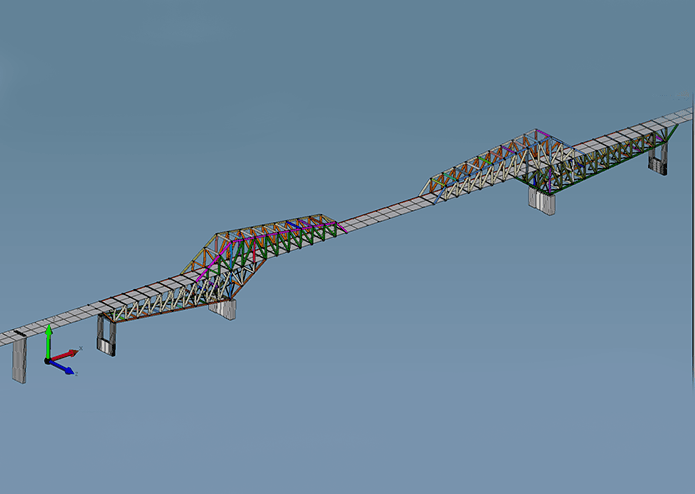
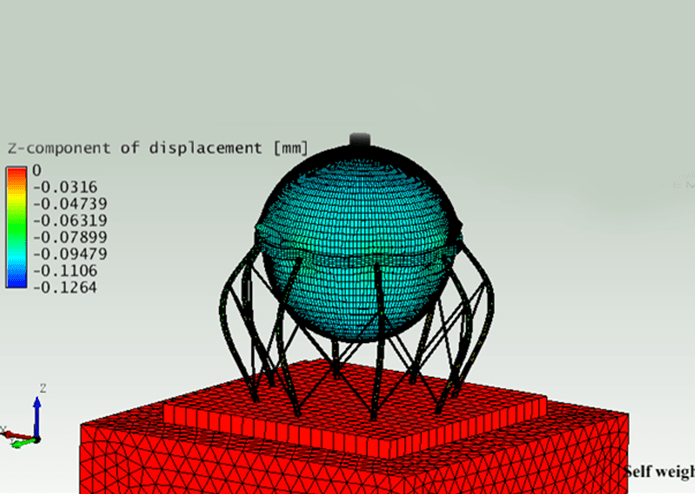
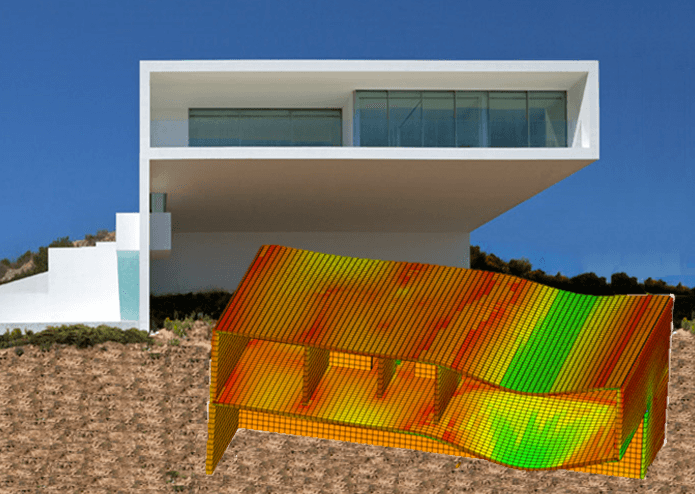
CivilFEM is an advanced finite element analysis and design software for civil engineering projects. With its infrastructure powered by the Marc solver, it allows you to make powerful structural simulations for projects such as large buildings, bridge constructions, nuclear power platforms, coastal structures.
With CivilFEM, the oldest known software in the field of civil engineering, you can use your complex geometries, advanced material modeling capabilities and make solutions according to standards such as EUROCODE.
All finite element solver capabilities required by civil engineers are integrated into a single software interface. The developer of the software, Ingeciber, has 30 years of experience in the industry and specializes in GEOTECHNICAL, SOIL MECHANICS, BRIDGES AND STRUCTURAL NON-LINEAR PROBLEMS. Thanks to the Marc solver, LINEAR AND NON-LINEAR STATIC AND DYNAMIC ANALYSES, as well as HEAT TRANSFER simulations, can be solved, which are not available in other civil engineering simulation packages.
CivilFEM offers users a large material library that is organized by standard codes and type, from which the user can automatically select.
- Steel, Concrete, Reinforced Steel, and Prestressed Steel are selected according to active codes or standards.
- The most commonly used rock and soil models can be defined.


CivilFEM Applications
- Seismic Analysis and Design, Design Control and Validation
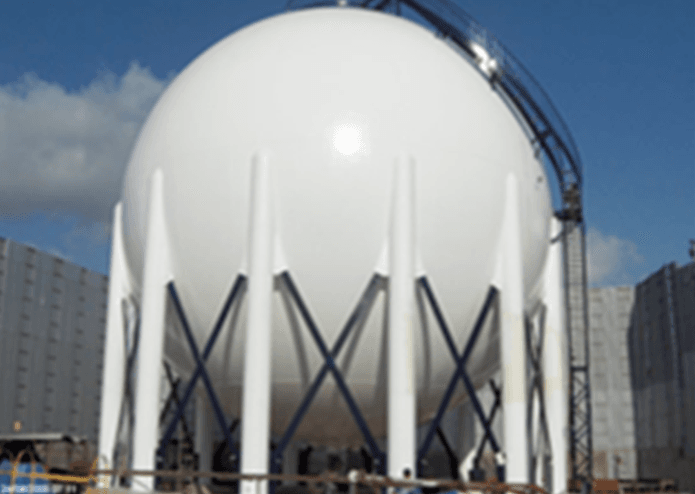
- Energy power platforms: Nuclear, wind and thermal
- Tunnels, mines, excavations, retaining walls and foundations
- Dams, breakwaters, rock and soil mechanics analysis
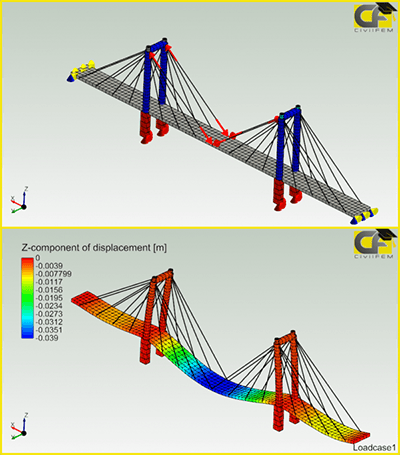
- Bridges, cable structures, industrial construction sites, skyscrapers, stadiums
CivilFEM Analysis Types
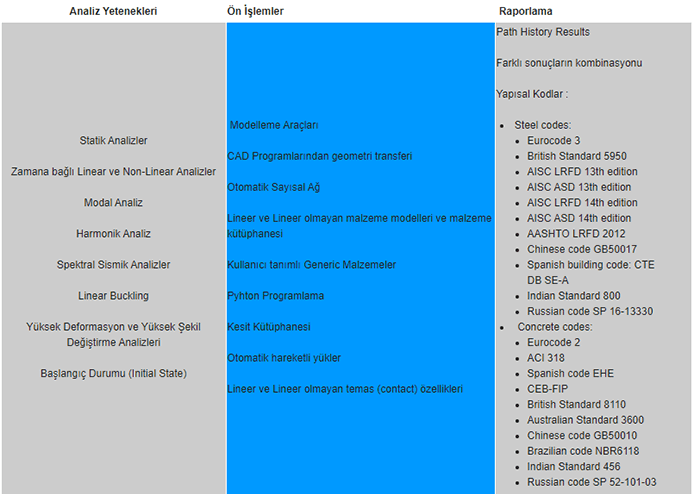
- Linear & nonlinear static and dynamic (modal, transient, harmonic and spectral) analysis.
- Linear & nonlinear buckling. Advanced material behavior laws.
- Evolutive nonlinear construction processes.
- Creep & Shrinkage in concrete. Cracking and crack propagation.
- Advanced contact, joint and connection features. Composites.